Understanding geometry starts with understanding transformations. So what are transformations?
Rigid Transformations
We classify rigid transformations as geometric movements that change a figure’s position or orientation but NOT shape or size. Rigid transformations include:
- Translations
- Reflections
- Rotations
TRANSLATIONS
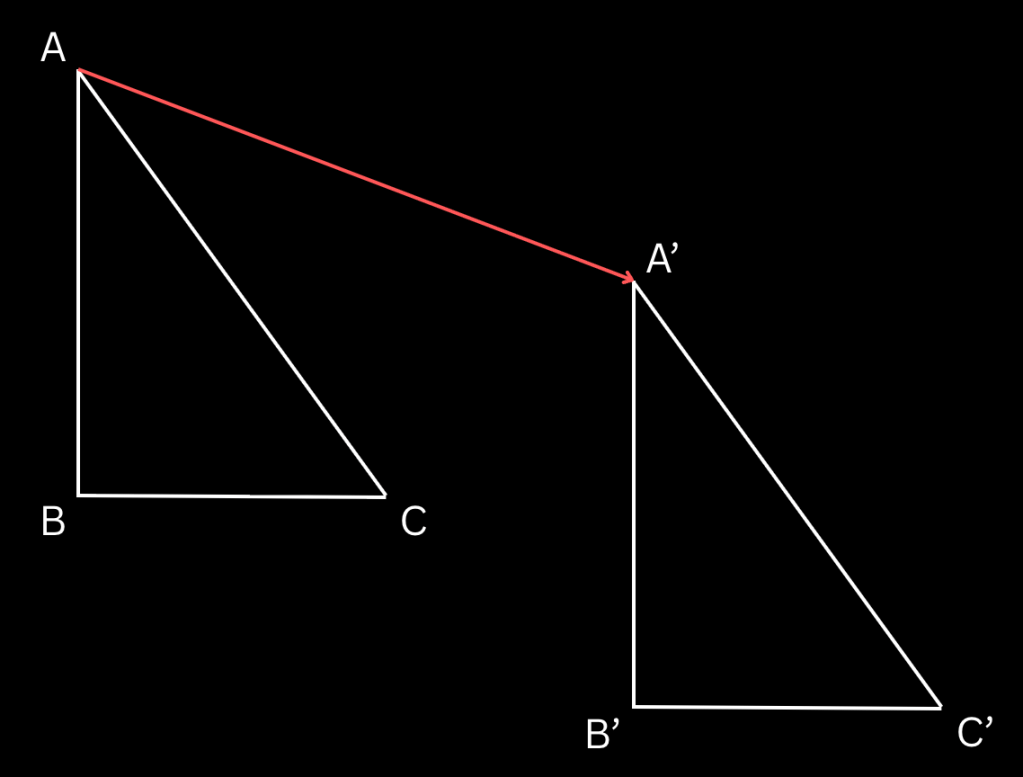
Translations are movements that “slide” shapes along a directed line or measurement. They do not change the figure’s shape, size, or orientation.
REFLECTIONS
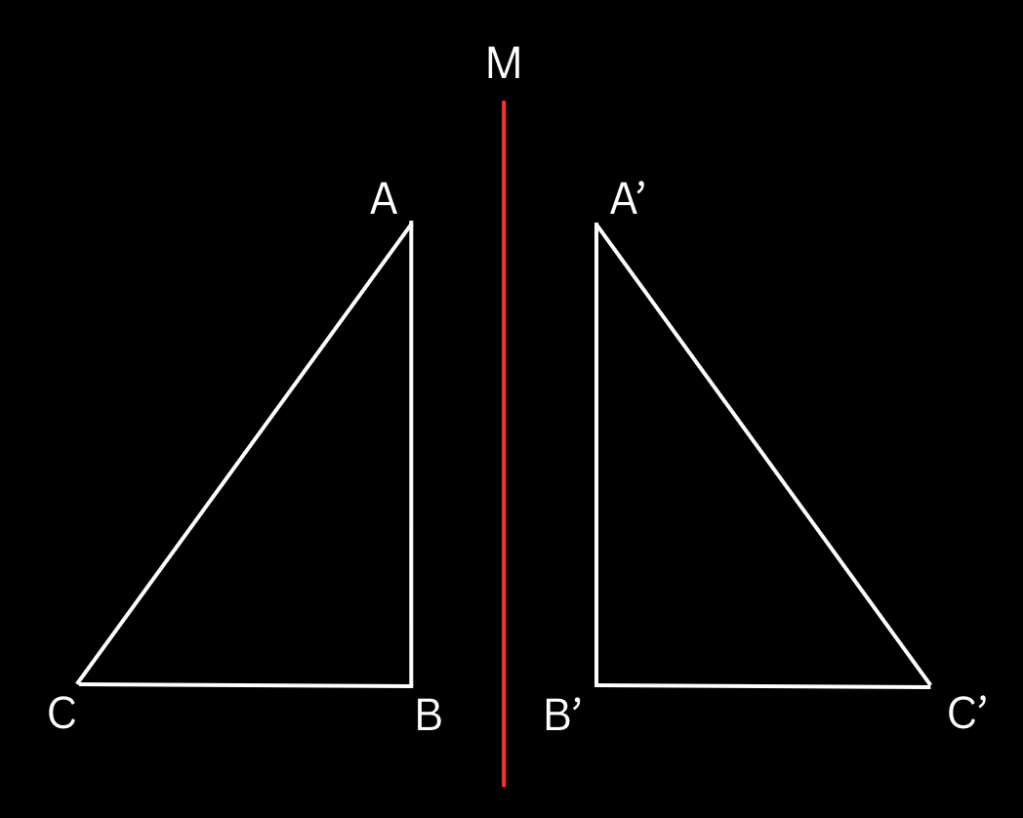
Reflections flip figures over a specified line, each point is mapped to a direct mirror image of itself over the line.
ROTATIONS
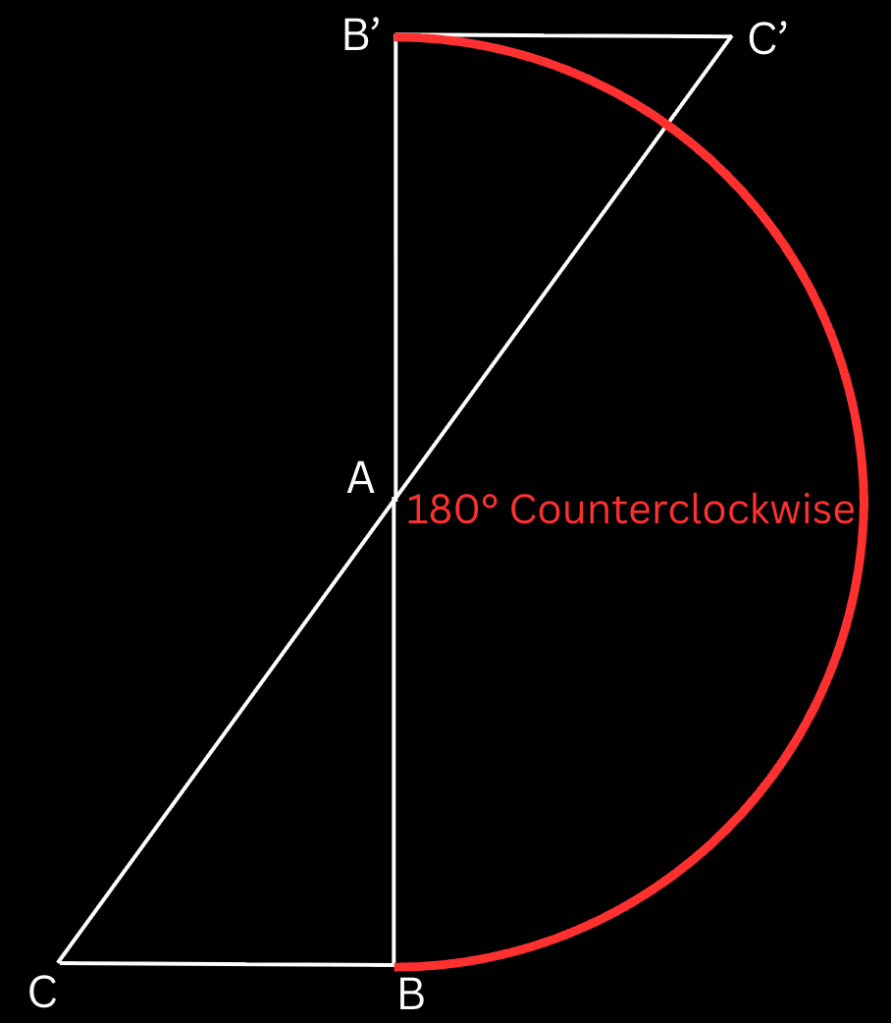
Rotations turn figures around a specified point, known as the center of rotation. Figures are rotated by a certain angle.
In summary, all rigid transformations will move figures without altering their size or shape. Points will be mapped onto corresponding points and all shapes will remain congruent.
Non-rigid Transformations
Non-rigid transformations, unlike rigid transformations, change the size or shape of a figure. The altered figure will NOT be congruent to it’s original shape. Non-rigid transformations include:
- Dilations
- Shears
DILATIONS
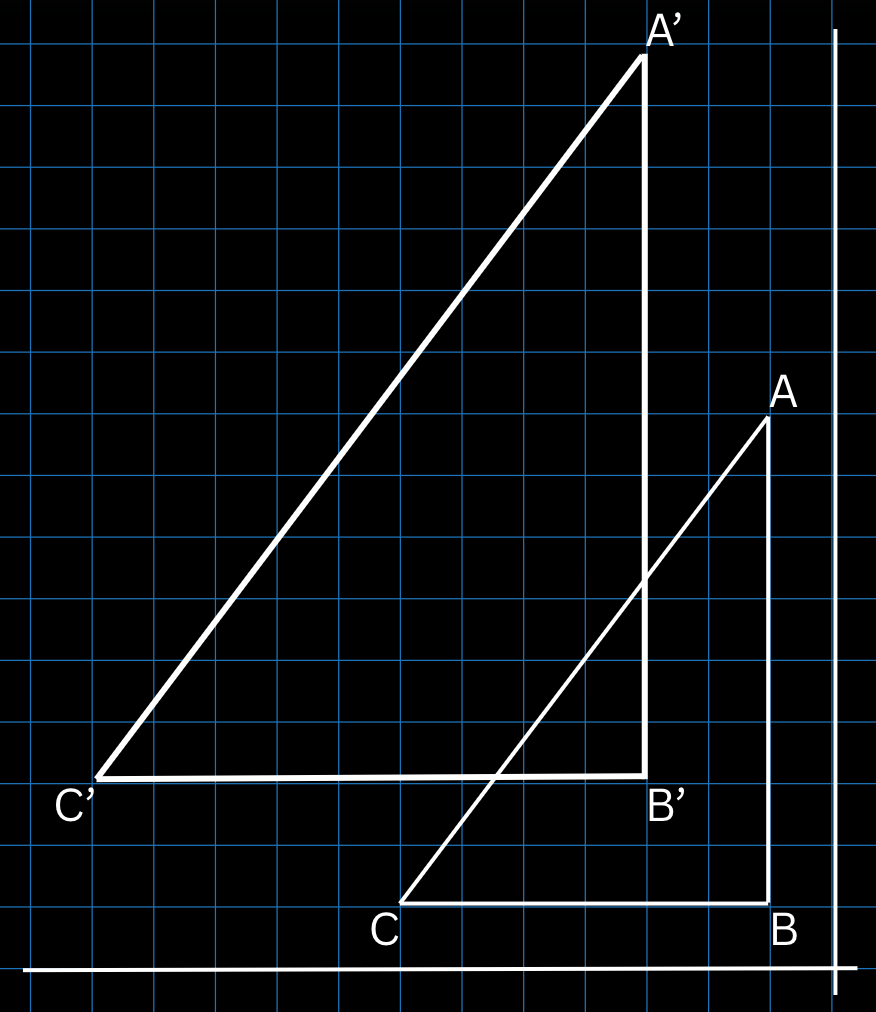
Dilations are transformations which change the size of a figure, but not it’s shape, either enlarging or shrinking. Dilations require a center of dilation, basically the point each dilated point is connected to, and a scale factor, a positive number that represents the extent of the dilation.
For example, if your scale factor is 3, you multiply each coordinate of your original shape by 3 to get your dilated shape.
(1, 1) -> (3, 3)
SHEARS
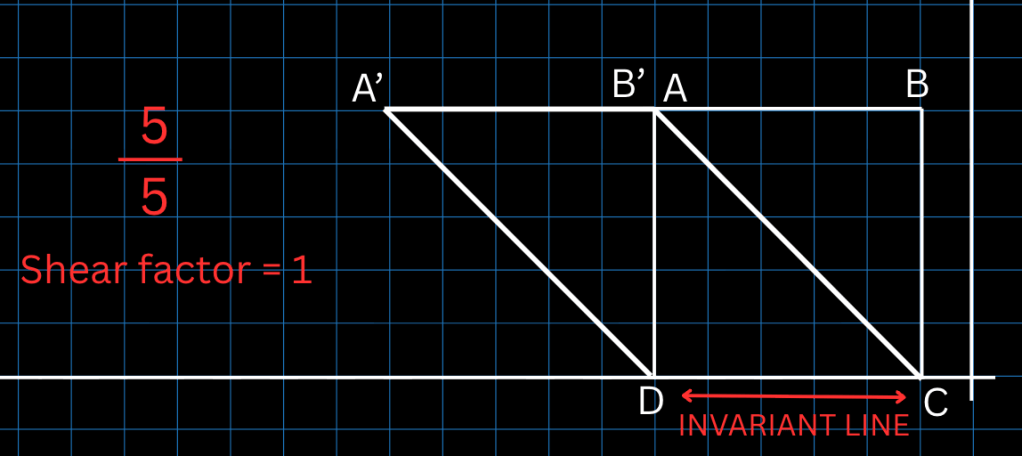
Shears are transformations which “slide” points along a line parallel to a fixed line. A shear factor is used to determine the placement of the sheared figure.
Shear factor = Distance a point moves after shear/Perpendicular point distance from invariant line
Invariant line = The line in which points remain fixed
FEATURED POST

Why Is Taylor Swift So Popular?
Whether you love or hate her, Taylor Swift is one of the biggest names of our generation. But what makes her so popular? Why her? Early Career It’s important to know that Taylor started out as a country star; moving to Nashville at 13 to pursue her passion for music. Given her standout songwriting abilities…



 Mannsplained.
Leave a comment